
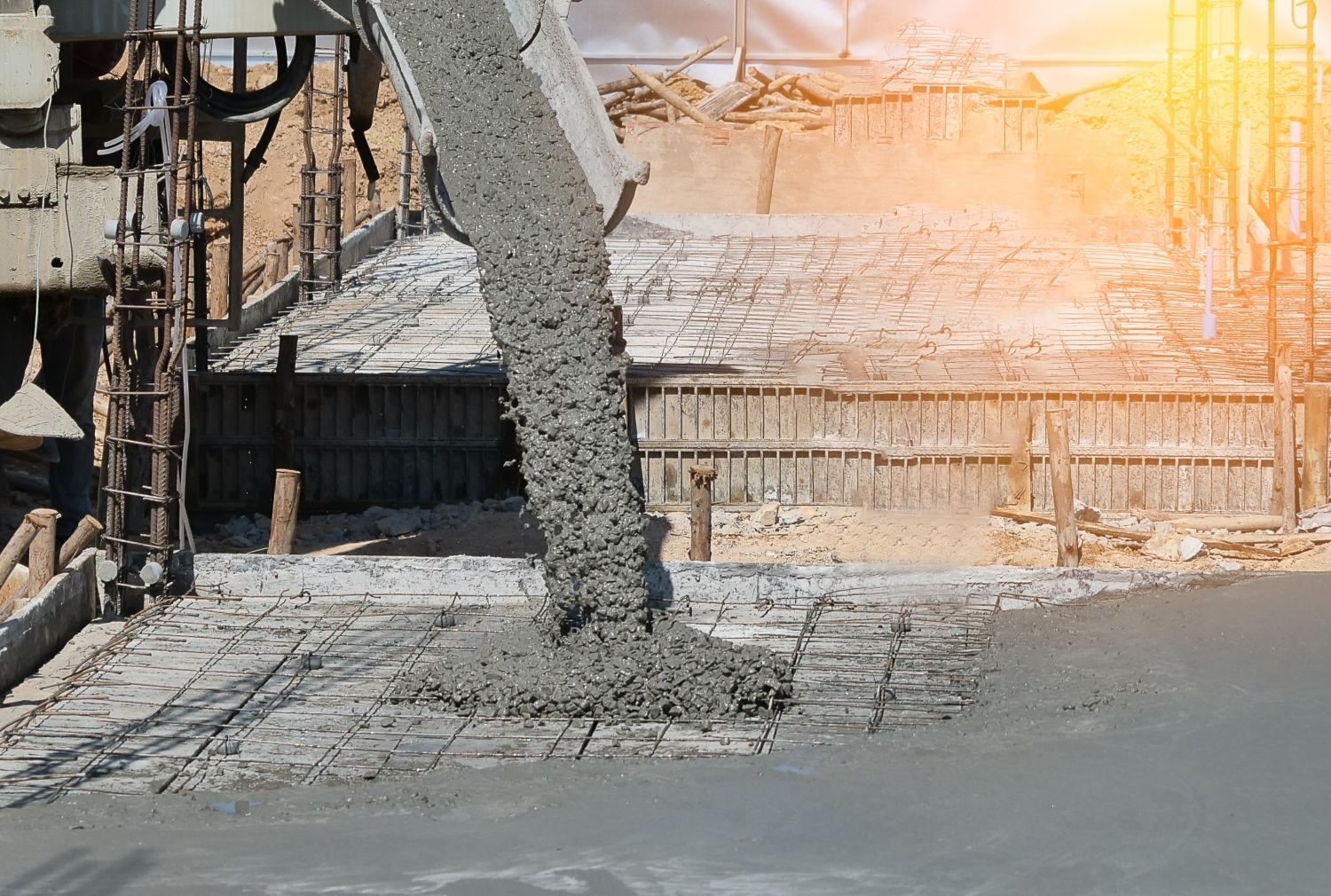
Concrete floors give your basement the strength and stability it needs to protect the things you care about most. If you want a finished basement that lasts, poured concrete walls and floors create the strongest possible foundation. This setup supports safer storage, cleaner surfaces, and better long-term performance.
A concrete basement also helps you avoid many of the moisture and structural issues that can damage valuables in Massachusetts homes. Let's dive into why concrete works so well, how it cures, and what you can expect as it becomes ready for everyday use. You will also see how to keep your concrete basement clean and performing at its best.
Quick Summary
- Concrete floors and walls provide long-lasting protection for your belongings.
- Poured concrete supports a stable, durable finished basement.
- You can walk on new concrete within 24 to 48 hours, depending on conditions.
- Clean concrete easily with simple tools and light maintenance.
Why Concrete Basement Floors and Walls Are a Smart Choice
Concrete floors and poured concrete walls create a strong basement structure that holds up well year after year. When you want a finished basement, the most important factor is a solid, smooth surface that will not shift or weaken over time. Concrete gives you that reliable base, along with fewer long-term issues related to cracking or movement.
You also get better protection against moisture compared to older foundations or block walls. Concrete is dense and resilient, which helps prevent the seepage and humidity problems that often damage stored items. When you combine poured concrete with the right waterproofing system, you get a basement that stays dry and comfortable throughout the entire year.
What to Expect, Start to Finish
Knowing what you can expect once your concrete is poured can make planning much easier. Once your concrete floors and walls are poured, the material begins to set and strengthen immediately. In most cases, you can walk on new concrete within 24 to 48 hours, as long as the conditions are mild and the surface is protected from damage.
The concrete continues to cure over the next several weeks. Full structural strength typically develops around the 28-day mark. This stage matters because heavy furniture, equipment, and basement finishing materials need a fully cured base to rest on. If you move too quickly, you can create impressions or weaken the surface.
During curing, it is best to avoid placing weight, dragging items, or beginning construction too soon. Light airflow helps the process, but aggressive drying can cause issues.
Cleaning & Maintaining Your Concrete Basement Floors and Walls
Since concrete is naturally durable, you can keep it in good condition with simple tools and quick routines. Regular cleaning helps you protect stored items, support a future finished basement, and keep moisture issues from developing. Start by sweeping or vacuuming the floors to remove dust and debris. If you notice dirt buildup, you can mop with a mild cleaner and warm water. Avoid harsh chemicals since they can affect the surface over time.
For the walls, a gentle scrub with a soft brush keeps them clean and fresh. If you're planning to finish the space, a clean concrete surface helps prevent mold and improves adhesion for flooring or wall systems. Concrete is still a porous material, so keeping moisture under control is important. Pairing your concrete floors and walls with proper waterproofing helps the basement stay dry through seasonal changes.
Why Massachusetts Homeowners Choose LeBlanc Basement Waterproofing
When you invest in poured concrete floors and walls, the quality of the installation makes a huge difference. We bring the skill and experience you need to get a strong, clean foundation that supports your storage, safety, and finished basement plans. Our team knows how to prepare the base, pour the concrete correctly, and ensure the walls and floors cure in the right conditions.
We also understand Massachusetts moisture issues, so we don’t stop at the pour. We integrate waterproofing systems that help your basement stay dry all year. This gives you reliable protection from seepage, humidity, and long-term structural stress. When your concrete and waterproofing work together, you get a basement that’s safe for valuables and ready for future upgrades.
Choosing us means you’re getting a basement that stands up to real conditions and supports your home for decades. You can feel confident knowing your concrete structure was done right the first time.
Frequently Asked Questions about Concrete Floors and Walls
How long after pouring concrete can you walk on it?
You can usually walk on your new concrete floors after 24-48 hours. The most important thing is to protect it from scuffs and heavy loads while it’s still curing and strengthening.
Do concrete basement floors and walls still need waterproofing?
Yes, concrete walls and floors still need waterproofing. Waterproofing will protect your belongings and prevent mold from taking hold in your basement.
Can you finish your basement right away?
You should wait to do any finishing or renovating until the concrete is fully cured. This typically takes about a month to completely cure.
Strong Foundations & Safer Spaces With LeBlanc
Concrete floors and walls give your basement the strength, stability, and moisture protection it needs to keep your belongings safe. When you understand how concrete cures and how to care for it, you can create a basement that supports storage, daily use, and a future finished space with confidence. With the right installation and waterproofing, you’re setting up your home for long-term safety and value.
Leading Concrete Work From the Massachusetts Experts
If you’re ready to build a stronger basement, we’re here to help. Our team can install poured concrete floors and walls, and support you with the waterproofing system your Massachusetts home needs. Contact us online or call us at 978-868-7619 today to protect your belongings and start planning a basement that works better for you.